Live On-line Sessions
Duration: 4 x 90 min
What are we willing to do in order to stay true to ourselves? What are our reactions under unexpected repressive circumstances? What are consequences of our decisions? This course presents the musical, artistic, spiritual and intellectual dissent in Czechoslovakia since the communist takeover in 1948 until the lifting of the Iron curtain in 1989. Questions of the existence and of freedom of man in times of repressive regime are becoming general human questions. We are reminded that living in truth recquires not merely conscience but courage.
I have been teaching this problematics in frame of my Alternative Culture class at the Charles University since 2013 in four semesters per year.
In this course, the learners will discover what is the relationship between the Velvet Underground music band and the Velvet Revolution, or the lifting of the Iron Curtain in 1989. A major anticommunist protest in the 1970’s, so called Charter 77, has a root not only in repression of freedom of expression and choices in general but also in bans of specific music production.
This course also deals with the artists under communism that were not in line with the official artistic expression. They were usually convinced that they would probably never exhibit their artworks. Nonetheless, during the 1980s, remarkable exhibition projects were succeeded in the premises of the Prague Lesser Town courtyards and in the former slaughterhouse in Prague.
Remarkable personalities of the dissent are discussed, such as the former politician, writer, playwrite and co-author of the Charter 77 Pavel Kohout. Through stories of founders of The Committee for the Defence of the Unjustly Persecuted in 1978 the course shows the background of the Charter 77 whose spokesperson Václav Havel became the first post-communist president of Czechoslovakia.
In the final seminar, the course examines the communist repression of intellectual and spiritual autorities, including the University professors, the Catholic church, the Protestant church and the Jewish intellectuals.
Part 1:
Music and Politics
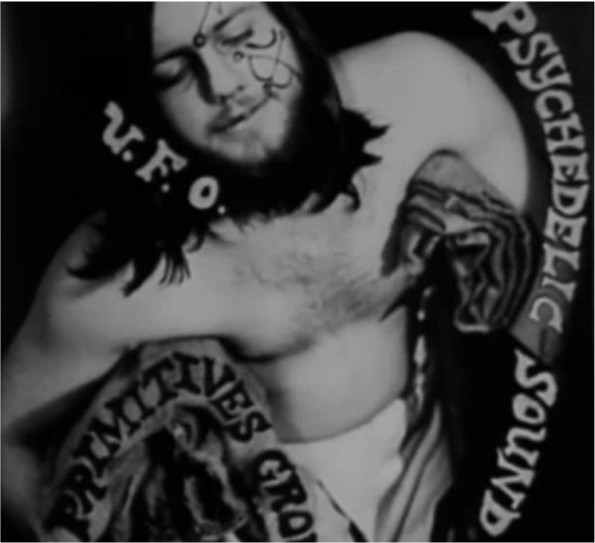
Although rock’n’roll has been considered a „diversion weapon of the Western imperialists“ in the 1950’s, young musicians managed to organize music festivals in frame of a gradual thaw that occured over a decade after the death of Stalin. Following the Soviet invasion in 1968, the bands have chosen different strategies. For the English lyrics was offically forbidden and the texts were regularly subject to censorship, some bands went instrumental, others were forced to emigrate (e.g. Karel Kryl), while some musicians opted for conformism and cooperation with the official authorities. The bands that were pushed to the underground and continued their activity illegaly became a torn in the side of the communists.
Part 2:
Art and Happening
In the 1950’s we witness a birth of explosionalism and poetic public actions, foreshadowing the later happenings. As a reaction to the Soviet invasion in 1968, the „tender barbarian“ Vladimír Boudník, whose personality inspired a famous Hrabal’s novel, commited suicide. Explosionalism, his unique artistic style, can be compared to the Abstract Expressionism.
The surrealist painter Mikuláš Medek was one of the artists who were most affected by the bans and restrictions. Nevertheless, the transcendental quality of his artworks inspired people in Moravian villages to order the decoration of their newly built churches from him in the 1960’s. This noteworthy guerilla act, i.e. building a modern church and decorating it with a surrealist altarpiece and passion cycle painted by a persecuted artist was practically unthinkable in the context of the communist Czechoslovakia.
In the 1970s, Eugen Brikcius was imprisoned for violating the idea of normality through his artistic actions. The artists were seeking a refuge from the normality approved by the official authorities. They found it either in pubs or in nature and in the forests that became stages for happenings and actions.
Part 3:
Jazz & Dissent
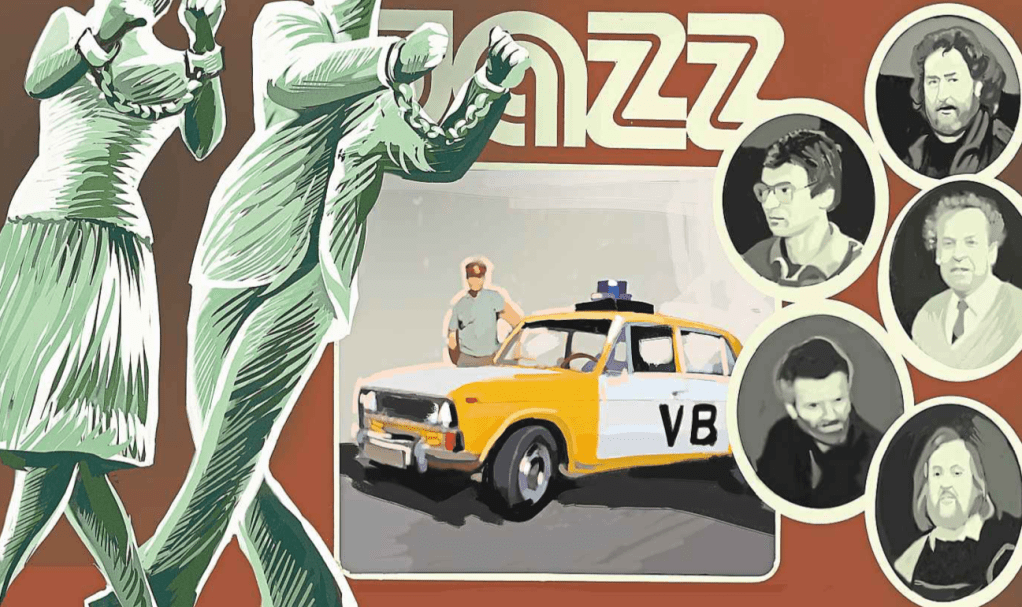
In the 1970s and 1980s, significant free-spirited currents operated in Czechoslovakia. According to musicians, the Jazz Section was „a strange association that sought and found all sorts of loopholes in the wall of Bolshevik vigilance and used them masterfully. These people, often with one foot in crime (and later both), published great magazines and books, held unforgettable concerts and invited writers, poets and rockers from all over the world to Prague. It was neither dissent nor underground, it was the Jazz section.“ This organization that operated in the normalized Czechoslovakia organized jazz and rock concerts, and after a ban of these activities focused on publication of music editions (Jazzpetit), and spreading of information on forbidden artists. The Jazz Section was liquidated in 1984 based on unlawful charges, its members were imprisoned and their activities continued illegally.
Part 4:
Spiritual & Intellectual Resistance
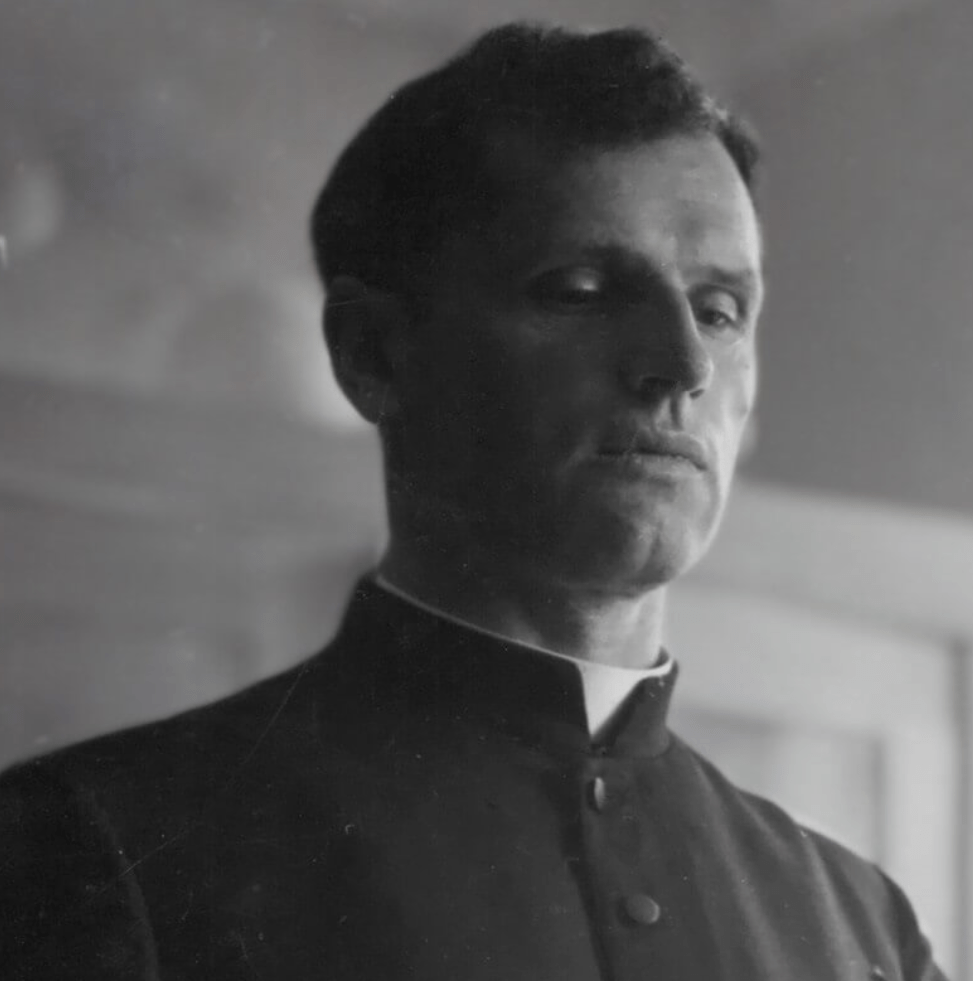
The authorities of the catholic church that became victims of forged trials in the 1950‘s were either secretely executed, as the Father Toufar, pushed to emigrate, as the benedictine abbot Anastáz Opasek or interned in communist concentration camps as cardinals Beran and Tomášek. The persecution of the catholic church pushed the organization to the underground. With an exception of the Prague Spring in 1968, the priests were consecrated secretly, which was the case of the bishop Václav Malý, a spokesperson of Charter 77 and Tomáš Halík, an influental intellectual and a close associate of the cardinal Tomášek. Since 1969 Halík organized secret home philosophy seminars that gained in urgency when an elderly philosophy professor Jan Patočka, the author of Charter 77, was tortured to death by the Secret Police.
Among the signatories of this major anticommunist protest were also a protestant priest Sváťa Karásek and a Jewish rabbi Karol Sidon. Karásek, who was also a charisamtic underground musician, was pushed to emigrate after an imprisonment and frequent interrogations by the State Secret Police. A forced emigration affected also Karol Sidon, a future chief rabbi of Prague.
 Praga Mirabilis | Podivuhodná Praha