Live On-line Session
Duration: 90 min
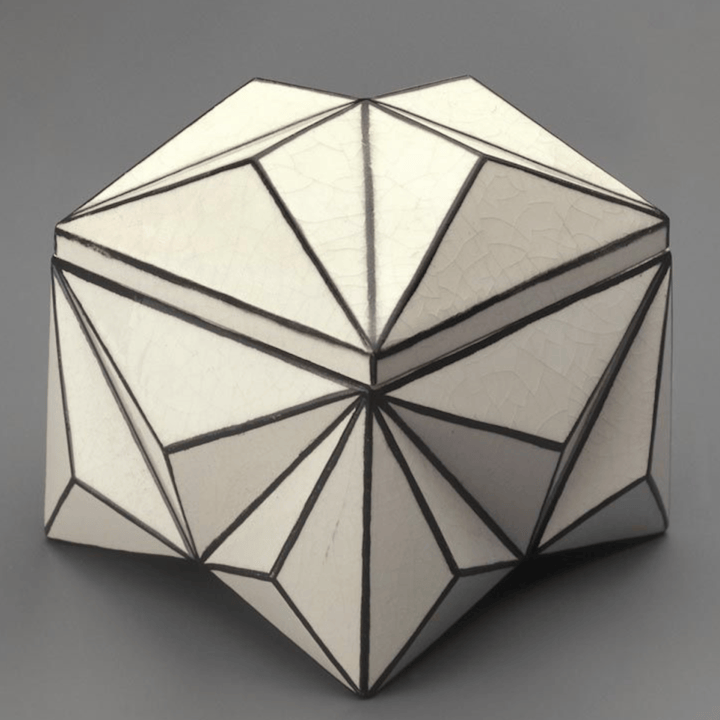
Cubism has been quickly and early adopted in Prague, thanks to the personality of Vincenc Kramar, one of the first four Picasso collectors. The lecture explores Kramar’s private collection of Picasso’s paintings in the National Gallery in Prague as well as rare examples of cubist architecture. Participants will also learn of the deep roots of cubist architecture in local tradition, learning just why it occurred specifically in Prague.
We will discuss Kramar, a classical art historian, wealthy scholar, and later director of the National Gallery in Prague, and his exquisite private collection of paintings in-depth. The development of cubism in the years 1907-1913 can be followed in it literally step-by-step. It contains Picasso’s last self-portrait as well as one of few Picasso’s early sculptures, and masterpieces of analytical and synthetic cubism, including a “rotating painting” from 1911.
Whereas cubist painting and sculpture are generally well known, the phenomenon of cubist architecture remains limited to the Bohemian Lands, or the present-day Czech Republic. It is an exclusive style of modern architecture that lasted only four years prior to World War I.
Led by an Art Historian, PhDr. Katerina Prusova, Ph.D., this interactive seminar will explore a rare collection of Picasso’s artworks in the National Gallery in Prague, and unique Czech cubist architecture and design. To give a complex picture, cubism in literature will be also mentioned. Participants will come away with a new appreciation and increased understanding of these gems of twentieth-century art and architecture in Prague.
 Praga Mirabilis | Podivuhodná Praha