
Live On-line Session
Duration: 4 x 90 min
Short Description
Bohemia and Moravia, the two historic countries at the core of the Czech Republic, are among Europe’s densest cultural landscapes. Hardly any other region can offer a similarly impressive wealth of architectural monuments in such a small space. With more than 6000 castles, chateaus, residences, fortresses, and ruins, the Czech Republic is nicknamed the land of castles and possesses more achitectural monuments than England. Many of them are UNESCO world heritage sites.
Long Description
Led by Charles University professor and Art Historian, PhDr. Katerina Prusova, Ph.D., this interactive four part course discusses Bohemian and Moravian castles and chateaus from the Middle Ages, Renaissance and Baroque era to periods of Classicism and Historicism.
At the Karlstejn Castle are preserved 129 medieval panel paintings at the original location, which is a rare situation at the North of the Alps. Since the age of the Renaissance, art collections have been an expression of aristocratic prestige. Almost all the chateaux from the Renaissance to the Romantic period presented in this series have paintings on display. The most imporant picture galleries are at the archbishopery seat Kromeriz (UNESCO) and the Lobkowitz Nelahozeves.
The course also discusses Baroque aristocratic residences and gardens, including the fashionable spa at Kuks or Duchcov where elderly Casanova wrote his memories. Two unique baroque theatres at Litomysl and Cesky Krumlov are presented as well as prestigious seats of the Schwarzenberg family, whose wealth could be compared to even the wealthiest English Lords in the 19th century.
Designed to inform curiosity as well as future travels, participants will come away with a deeper understanding of the Czech and Moravian cultural landscape and appreciation of incomparable wealth of royal and aristocratic seats in the Czech republic.
Part 1: Strongholds of Medieval Royalty
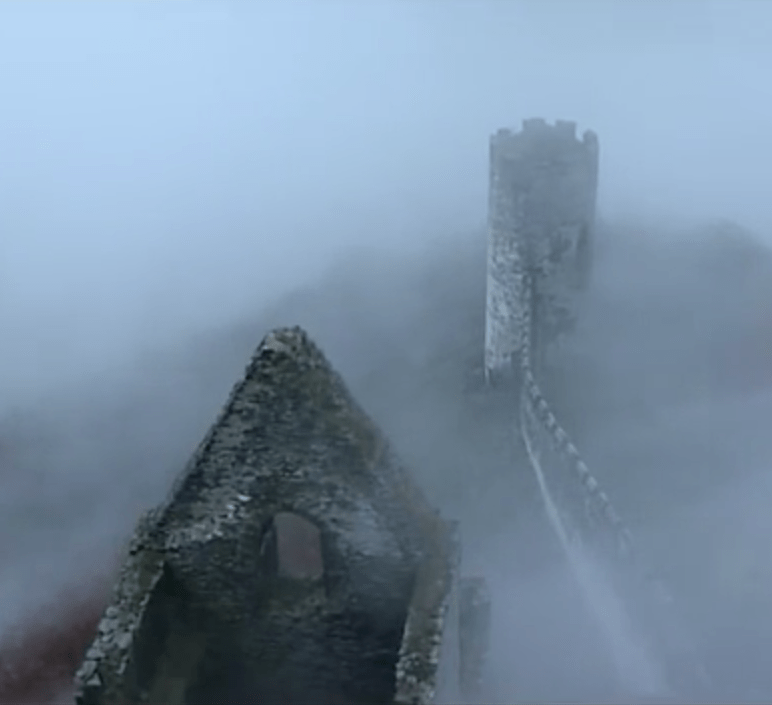
While the oldest stone castles date from the 12th century, the true boom of castle construction started since the 1230’s. Powerful and wealthy bohemian kings were creating a new grid of support bases. Simultaneously they granted the right of construction of strongholds to the ascending nobility. Medieval castles are unmissable, placed in prominent positions with a strong influence on the formation of landscape. The 13th century Bohemian castles were inspired by both, the latest developement of gothic architecture in Ile-de-France and by the local tradition of strongholds. The Bezděz castle chapel is among the most elegant constructions around 1300. The Karlštejn castle has been designed in the 14th century as a treasury to protect the imperial crown jewels. The Vladislav hall at the Prague castle or Blatná castle are engineering miracles of late gothic architecture, to name only few.
Part 2: Renaissance and Mannerist Seats of Joy
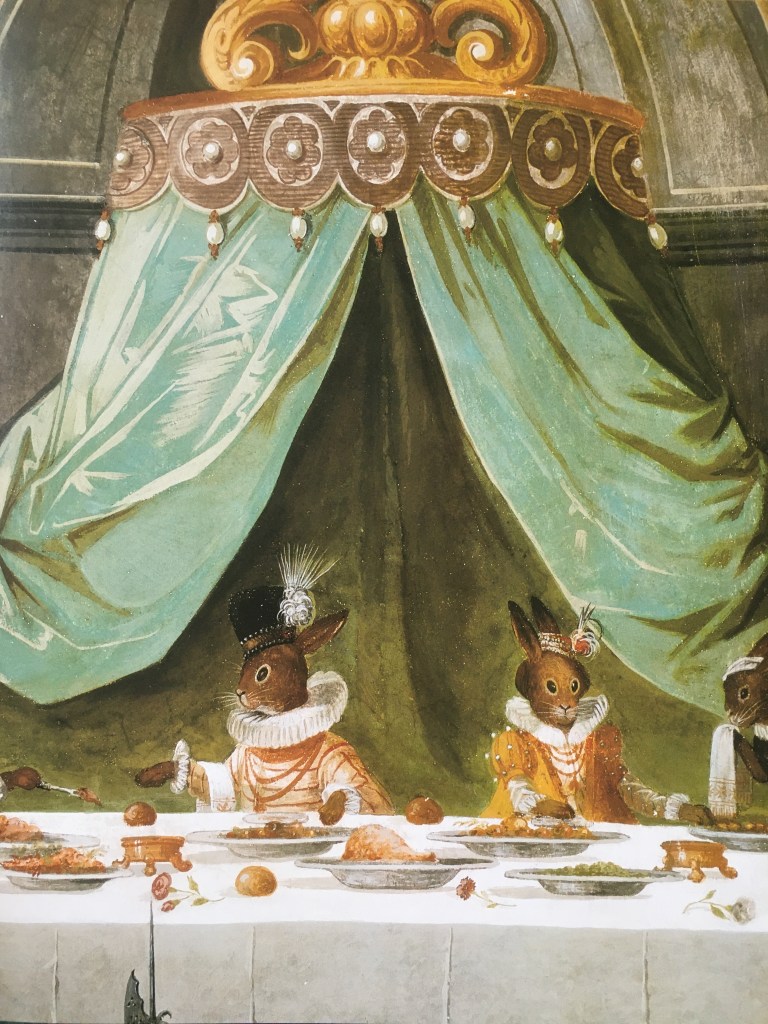
The 16th century Litomysl castle represents an ideal Renaissance residence. Built by Italians, it is decorated with unique weatherproof technique of sgrafittos on the facades. The Bucovice chateau in south Moravia, a masterpiece of mannerist interior decoration, is comparable to the French Fontainebleau. It possesses unique mural paintings with hares in aristocratic outfits enjoying fine meal representing a satirical presentation of an inverted world in which animals behave like humans. Telc represents a unique symbiosis of town and chateau and with its gothic houses and renaissance interiors is one of the most romantic towns in Europe. Both, Litomyšl and Telc, figure on the list of UNESCO.
Part 3: Prestigious Baroque and Roccoco Residences
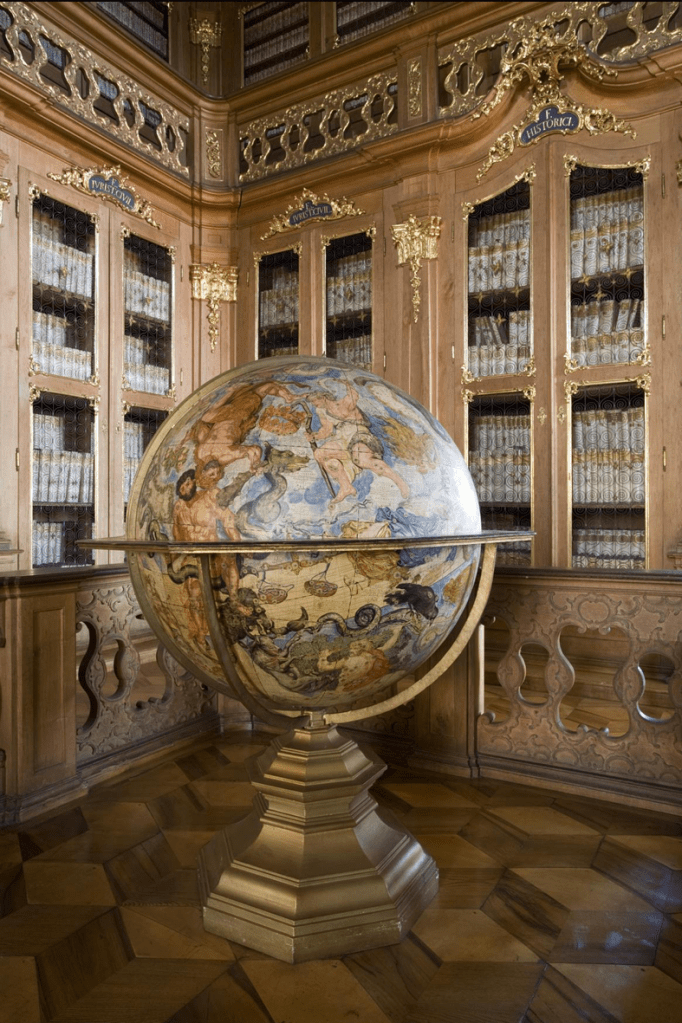
In South Bohemia, at the sources of Vltava river, is situated Cesky Krumlov, a kind of a miniature Prague. The castle complex is one of the largest residences in Europe and encloses a unique baroque chateau theatre with an outstanding collection of original costumes and scenery. In South Moravia, Vranov castle rises above the river Dyje like a Fata Morgana mirage. It represents a masterpiece of the imperial architect Johann Bernard Fischer von Erlach that spent 16 years with Bernini in his youth. His oval ancestors hall is unique in the European context. One of the most original baroque chateaus is Karl’s Crown designed in the 1720’s by Santini, the only true successor of Borromini in the Central Europe. Among many baroque masterpieces, we will visit the Troja chateau in Prague, a villa suburbana with a sort of a political manifesto in mural paintings celebrating the Habsburgs.
Part 4: Elegant Classicist and Historicising Aristocratic Chateaux
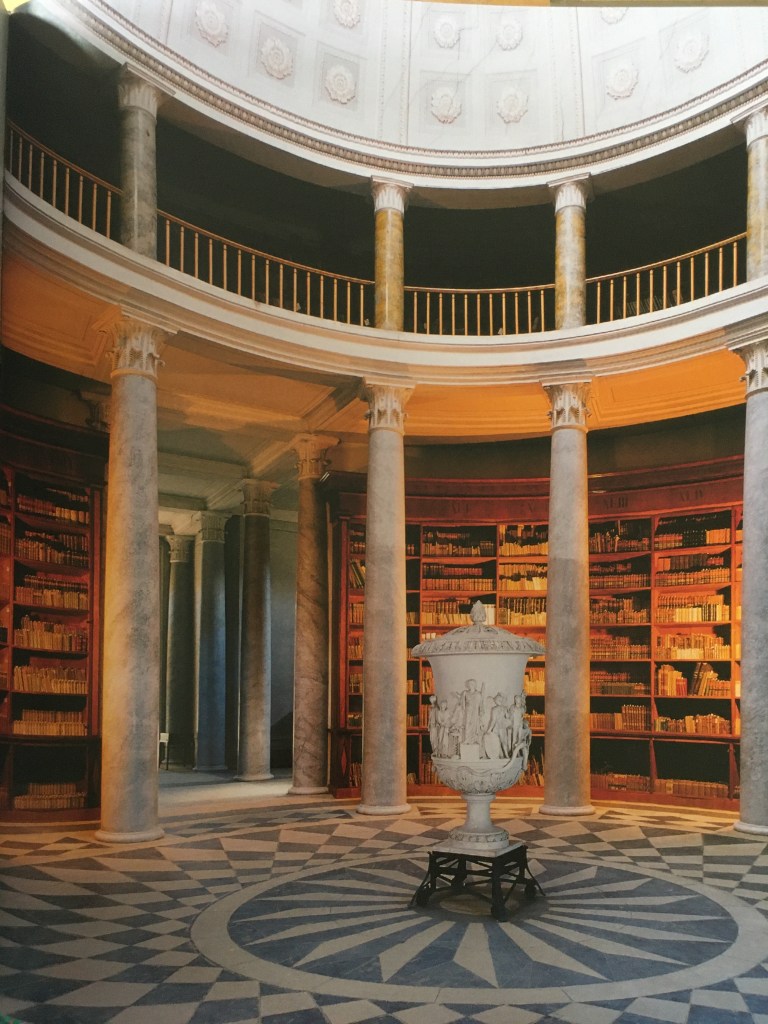
Near the silver mines in Kutná Hora was designed an elegant chateau Kacina, representing classicism in its pure form. The library, which comprises a two story columned rotunda with a dome, is one of the most impressive interior spaces of the chateau. The powerful Schawarzenberk family possesed the castle at Hluboka. After having assisted at the coronation of queen Victoria at Windsdor, the wealthy Bohemian aristocrat redesigned his chateau in the romantic style, thus creating a fairy-taley pseudo-gothic residence. The Moravian Lednice complex is one of the largest cultural landscapes of Central Europe and has been clasified a UNESCO world heritage site. The archduke Franz Ferdinand d’Este aimed to convert the Konopiste castle into a prestigious emperor’s residence equipped with every modern home comfort. From here he also took his last journey that tragically ended in Sarajevo, thus sparkling the World War I.
 Praga Mirabilis | Podivuhodná Praha